
Blog
Lost Hills Clothing: The Role of Graphics in Streetwear

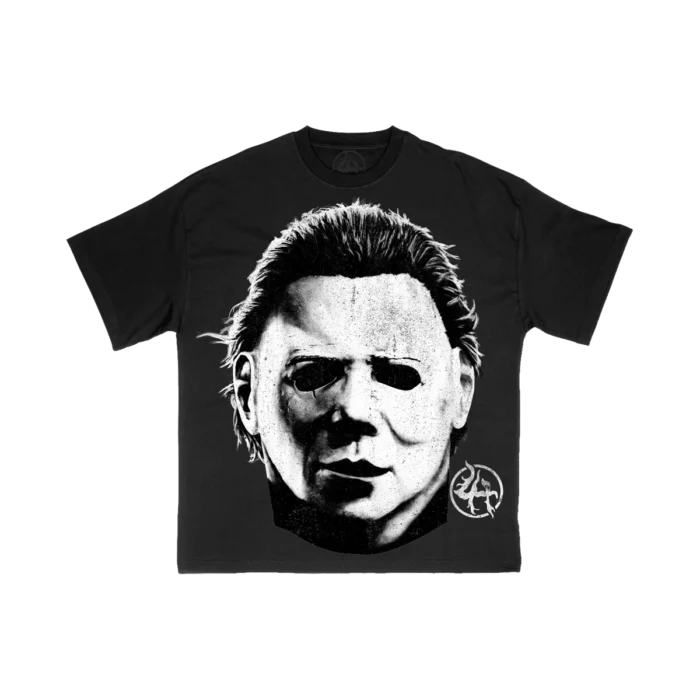
Lost Hills Clothing: How Graphic Details Shape Modern Streetwear
A graphic can change the entire character of an outfit. The same black T-shirt can look completely different depending on whether it features a small emblem, a detailed illustration, or a large design across the back. In streetwear, these differences matter because clothing is not only about fit and comfort. The visual details also influence how individual pieces work together and how people develop their own style.
Lost Hills Clothing provides a relevant starting point for exploring this relationship between graphic design and everyday fashion. Its listed apparel includes graphic T-shirts, shorts, joggers, hoodies, and long-sleeve tops, offering several ways to consider how printed designs fit into a modern wardrobe.
Why Graphics Change the Character of Clothing
Graphics give garments a visual identity beyond their basic shape. Two shirts made in similar colors and fabrics can create very different impressions when their artwork, typography, or print placement changes.
A small chest graphic tends to leave more of the garment’s surface visible, creating a relatively restrained appearance. A larger illustration can become the main focus of an outfit, especially when paired with plain trousers and uncomplicated footwear. Neither approach is automatically better. The choice depends on the look someone wants to create.
This is one reason graphic clothing remains relevant in streetwear. It allows designers to work with familiar silhouettes while changing the visual result through artwork and composition. Instead of reinventing an entire garment, a change in graphic placement or scale can produce a noticeably different effect.
For shoppers, looking beyond the color of a T-shirt can make choosing clothing more interesting. The relationship between the print and the surrounding fabric often determines whether a piece feels understated, expressive, or somewhere in between.
Finding the Right Balance Between Prints and Fit
A graphic does not exist independently of the garment carrying it. Its proportions interact with the shirt’s cut, sleeve length, and overall shape. A large print on a relaxed-fit T-shirt creates a different result from the same artwork on a closer-fitting silhouette.
Fit also influences how the rest of an outfit comes together. Relaxed T-shirts can work with straight-leg denim, loose shorts, or joggers, depending on the occasion. A more fitted top can create contrast when paired with wider trousers.
When an outfit already contains a prominent graphic, simpler pieces can help maintain balance. For example, a printed T-shirt with neutral joggers and straightforward sneakers keeps attention on the upper half without making the combination feel crowded.
Alternatively, someone who enjoys more expressive styling might combine graphic clothing with additional patterns or accessories. The important consideration is how the elements relate to one another. An outfit can include several noticeable details, but each should contribute to the overall appearance rather than compete without purpose.
How Color Influences Graphic Design
Color affects the relationship between a graphic and the garment beneath it. A light print on a dark shirt creates strong contrast, while similar shades can produce a more subtle effect. These differences influence how quickly a design attracts attention and how easily the piece coordinates with other clothing.
Black, white, and washed tones are useful starting points because they can work with a wide range of wardrobe colors. A black graphic T-shirt, for example, can be paired with blue denim, neutral shorts, or matching dark joggers. Changing the trousers and footwear can make the same shirt feel appropriate for different casual settings.
However, matching every item is not always necessary. A contrasting color can introduce interest, while repeating a small shade from the graphic elsewhere in the outfit can create a visual connection.
For anyone considering Lost Hills, the practical approach is to look at the actual colors and artwork of each piece before deciding how to style it. Product photographs can help with coordination, although checking the garment details and available sizing is also important when shopping online.
Building More Outfits From Fewer Pieces
A useful wardrobe does not require a different outfit for every occasion. A few well-chosen garments can create several combinations when their colors, fits, and designs work together.
A graphic T-shirt might serve as the foundation for a warm-weather outfit with shorts. The same shirt can be worn beneath a hoodie or lightweight jacket when temperatures fall. Joggers can create a relaxed combination with a simple top, while denim offers another option for days when a slightly different silhouette is preferred.
This approach makes graphic clothing more versatile than it might initially appear. A bold print does not automatically limit a garment to one particular look. Much depends on the surrounding pieces and how the outfit is styled.
It also encourages more thoughtful purchasing. Before adding another shirt to a collection, consider whether its design offers something different from the pieces already in the wardrobe. A new color, a different graphic scale, or an alternative fit may provide more useful variety than buying several nearly identical items.
Streetwear Beyond Short-Lived Trends
Streetwear changes as new graphics, silhouettes, and styling preferences gain attention. Some designs become closely associated with a particular moment, while others remain easy to wear long after a trend loses visibility.
Personal preference plays an important role in that distinction. Someone who genuinely likes an illustration or color combination may continue wearing it regardless of what is currently popular. Another person may prefer versatile garments that can be styled in several ways without relying on a recognizable trend.
Neither approach requires following a strict fashion formula. The more useful question is whether a garment suits the wearer’s everyday needs and fits naturally into their existing wardrobe.
For clothing labels such as Lost Hills Hoodie, graphic apparel offers an opportunity to appeal to different preferences through variations in artwork, color, and garment type. The details that attract one shopper may not interest another, which is part of what makes personal style individual.
Looking at Clothing Through the Details
Modern streetwear demonstrates how small design decisions can influence familiar garments. Print placement, contrast, proportions, and color can all change the way a T-shirt or hoodie looks without changing its basic purpose.
Lost Hills Clothing’s range of listed apparel provides a starting point for considering these choices across different types of clothing. Rather than judging a garment only by its logo or overall appearance, shoppers can pay attention to how its design works with the fit, how easily it coordinates with existing pieces, and whether it suits their regular activities.
Ultimately, graphic streetwear is most useful when design and wearability work together. A striking print may catch someone’s attention, but the fit, comfort, and versatility determine how often the garment becomes part of an everyday wardrobe. Understanding those details makes it easier to choose clothing that feels personal instead of simply following whatever happens to be popular.